Windshield survey vs satellite stockpile monitoring for supplier site audits
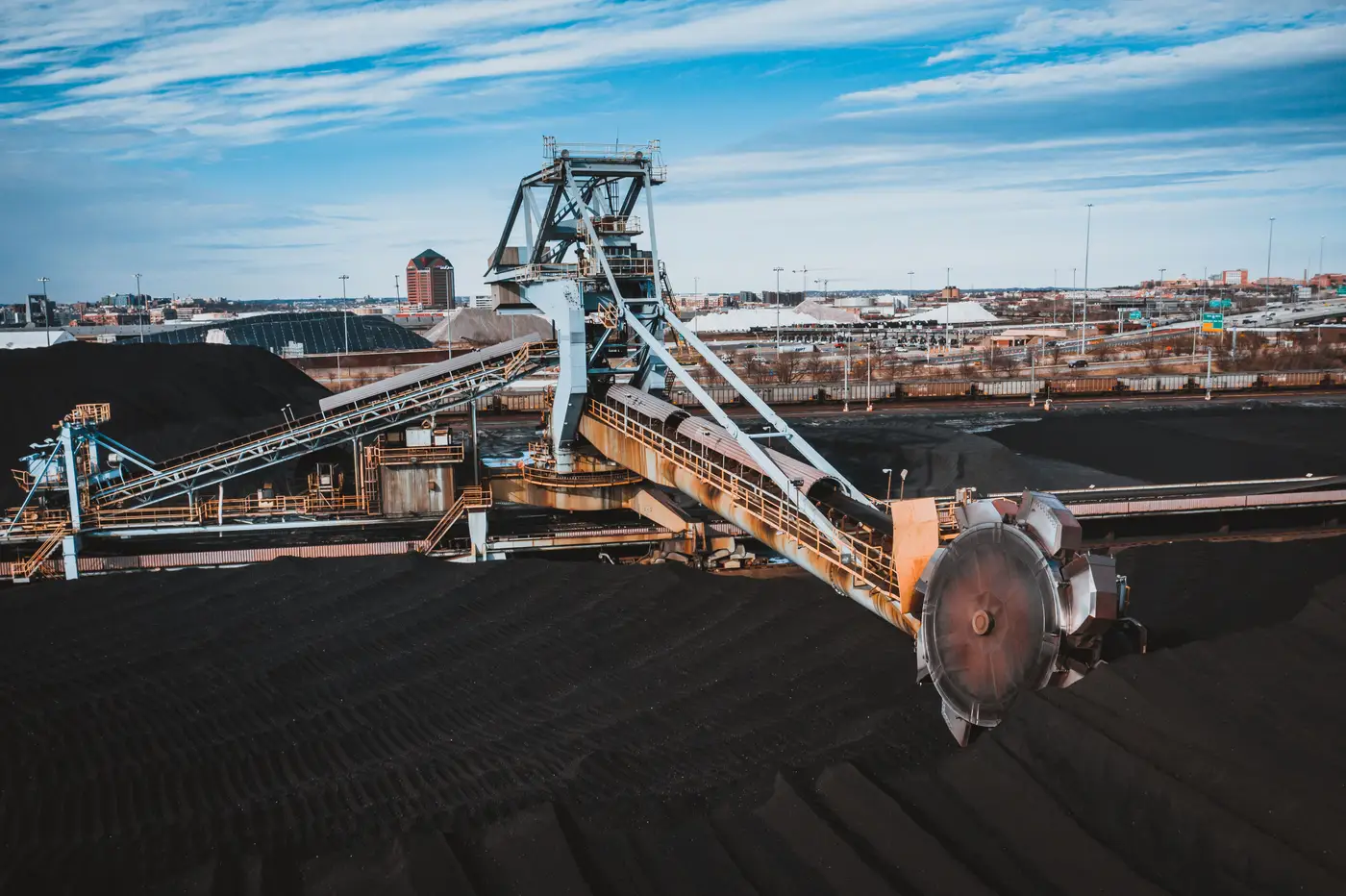
A windshield survey is what most procurement teams have run for decades. Someone drives to the supplier's yard, parks near the scale house, and eyeballs the coal pile or the clinker stack from the cab or on a short walk-around. It's the oldest form of physical stock verification in the business, and it still gets used because it costs almost nothing and nobody needs three weeks' notice to schedule a visit.
The problem is what a windshield survey captures. One look, one day, filtered through whatever the supplier chooses to show you. If the yard manager knows you're coming, the pile you see on Tuesday may not be the pile that was there on Monday or the one that'll be there Thursday when the next vessel loads out.
What a windshield survey tells you
A drive-by gives you a snapshot, not a trend. You can see that a pile exists, roughly gauge its height against a known reference (a building, a conveyor, a truck), and note obvious red flags like empty bays where stock should be sitting. That's real information and it has caught real problems. But it's a point-in-time read, usually quarterly or on an as-needed basis tied to an audit calendar, and it depends on someone being physically present at the right spot with a clear line of sight.
It also depends on the supplier's cooperation, at least indirectly. A feedstock yard inspection that requires site access means the supplier knows the window. Piles get reshuffled, trucks get parked to block sightlines, and the one bay that's running low sits conveniently behind the maintenance shed. None of that has to be deliberate deception to still produce a misleading audit.
Where satellite stockpile monitoring picks up the slack
Very-high-resolution satellite and aerial imagery, the kind that resolves down to half a meter per pixel, turns the same pile into a weekly measurement instead of a quarterly glance. You get a volume figure for each named stockpile at the supplier site and the week-over-week change next to it, without anyone needing to be on the ground or on the supplier's visitor log.
That cadence is the real difference. A windshield survey tells you the pile was X high on the day you looked. Weekly imagery tells you the pile has lost 15% of its volume over six straight weeks, a pattern a single drive-by will never show you no matter how sharp the person doing the driving is. An input shortage shows up as a shrinking record, not a phone call that arrives after the shipment's already late.
It doesn't replace everything a site visit does. You still can't check quality, moisture content, or contamination from orbit, and you won't catch a locked gate or a safety violation. What it replaces is the specific job of trusting a supplier's own stock report, the kind that shows up late and only when they decide to send it.
Which one fits your supplier site audit
For most procurement teams, the honest answer is both, doing different jobs. The windshield survey, or a formal on-site audit, still has a place for anything that requires a person: checking documentation, confirming equipment is running, talking to the yard crew. Satellite monitoring covers the gap between those visits, which for most supply contracts is the part that actually matters, because a shortage doesn't wait for your next scheduled audit date to happen.
If your current process is a once-a-quarter drive to the gate and a trust-but-verify relationship the rest of the year, that's three months of blind spot per cycle. A weekly stockpile record for the site closes that gap without adding another trip to the calendar.
If you're tracking ore, coal, log, or clinker inventory at a named supplier site and the quarterly windshield check isn't enough anymore, take a look at what Raw Material Stocks tracks for you between visits.