What a VMI agreement covers, and why feedstock rarely makes the list
A vendor-managed inventory agreement sounds like it should solve your feedstock visibility problem. It doesn't, and the reason is baked into what VMI was built for in the first place.
What a VMI agreement actually obligates the supplier to do
VMI started in finished-goods and component supply chains. A retailer or OEM hands a supplier real-time sales or consumption data, and the supplier takes on the job of replenishing stock at the buyer's site, keeping it between an agreed min and max. The supplier owns the inventory until it's drawn down, the buyer gets a shelf or a bin that doesn't run dry, and both sides have software talking to each other to make that work.
That's the deal: shared data, a replenishment trigger, and a supplier who's contractually on the hook for keeping your buffer full. It works because the supplier controls production of a discrete, manufactured item and can ramp a line to hit your min/max window.
None of that maps cleanly onto ore, coal, logs, clinker, or raw feedstock more generally. A feedstock supplier pulls material out of the ground, off a concession, or out of a kiln, and the volume that shows up this month depends on weather, permits, equipment uptime, and often other customers ahead of you in the queue. There's no production line to ramp that refills your bin on a schedule the way a parts plant can.
Why feedstock suppliers rarely sign up to this
Ask a feedstock supplier to put VMI language in a contract and you'll usually get pushback on three fronts, though not always all three at once.
First, ownership. VMI assumes the supplier is willing to carry working capital in your stockyard until you draw on it. A feedstock producer selling into a commodity market with its own price swings has little reason to park material at your site for an undefined stretch, especially when spot prices are moving against them.
Second, control over supply. VMI needs a supplier who can predict and adjust output. A quarry or a mine operating near its permitted capacity can't promise a min/max band the way a parts manufacturer can. When a seam runs thin or a wet season cuts hauling days, they're not going to commit contractually to backfilling your buffer regardless.
Third, and this is the one that shows up in the paperwork most often: feedstock supply contracts are built around force majeure, allocation-in-shortage, and "commercially reasonable efforts" language instead. Those clauses protect the supplier when output falls short. They don't protect you. A force majeure clause tells you the supplier isn't liable for a shortfall. It doesn't tell you the shortfall is coming, and it definitely doesn't come with a weekly stock count attached.
So what you get, in practice, is a supply agreement with price terms, delivery schedules, and quality specs, and a line somewhere near the back that says the supplier will "use reasonable efforts" to maintain supply, with no minimum, no maximum, and no obligation to report what's sitting in their yard between shipments.
What buyers are left with
The gap VMI would have closed stays open. You find out about a tightening supply picture when a shipment slips, or when the supplier calls to renegotiate terms because their own stockpile ran low. By then the pile has already been shrinking for weeks, you just weren't the one watching it.
That's the practical difference between a VMI relationship and a raw feedstock contract. One gives you a built-in early warning because the supplier is obligated to keep you informed and stocked. The other gives you a shipment date and a shrug if that date moves.
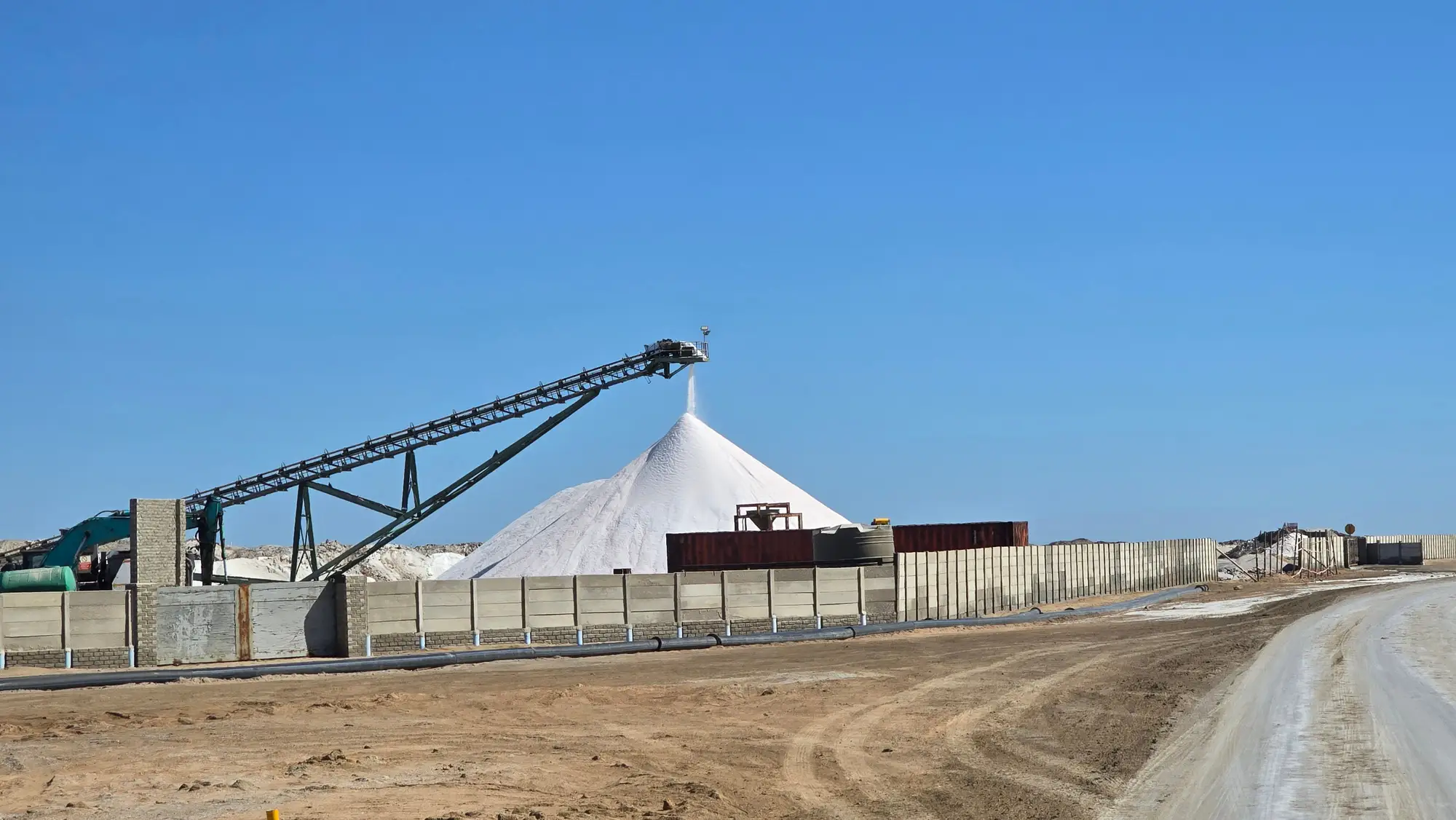
If your contract doesn't give you that visibility, something has to. Weekly measurement of the supplier's own stockpile turns a pile that's quietly shrinking into a number you can watch, instead of a phone call you wait on.
See how a supplier's pile looks over the last few weeks before you lock in your next purchase order.