What a take-or-pay contract is, and how a shrinking pile shifts the stronger hand
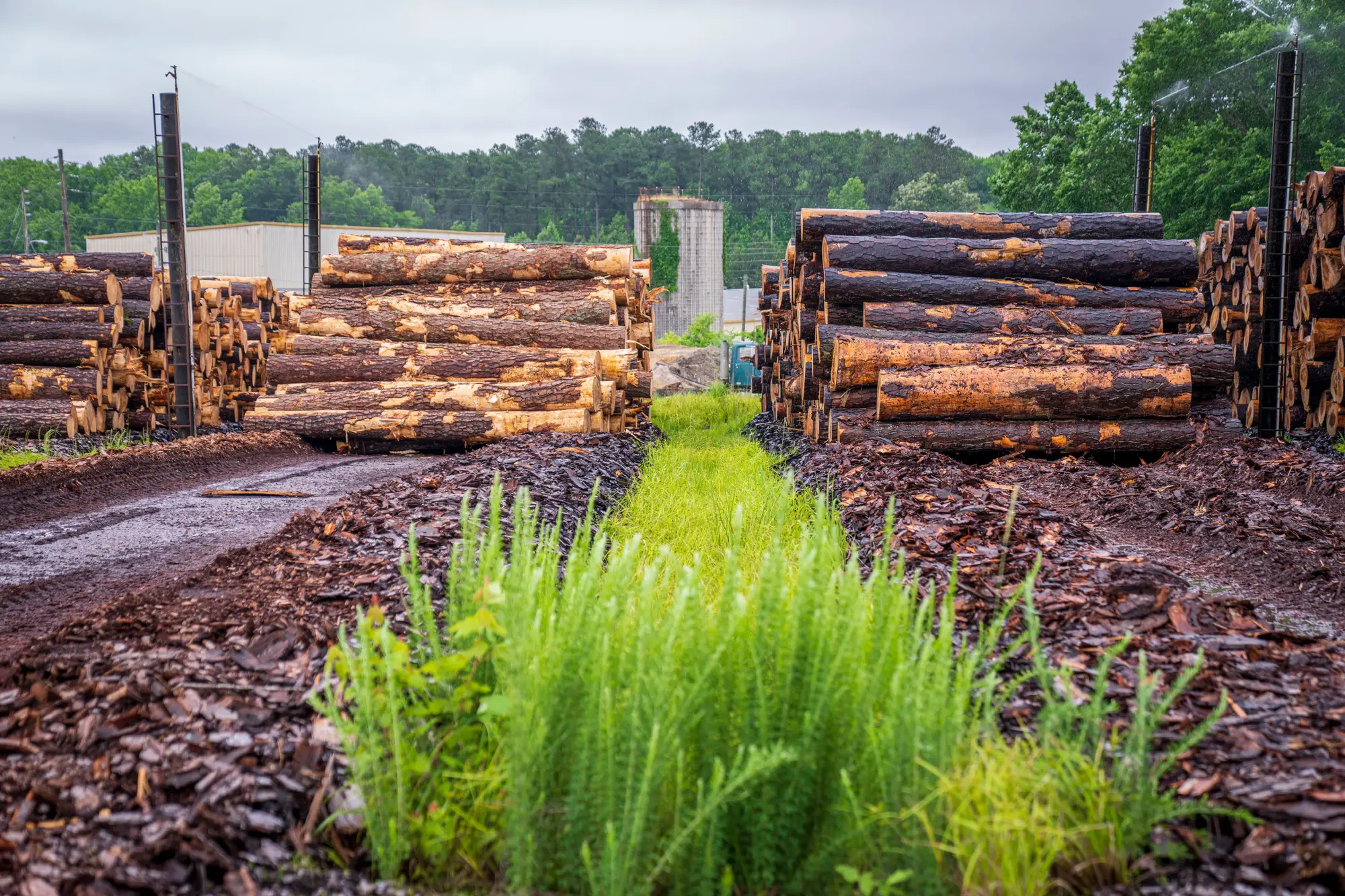
A take-or-pay contract says you'll pay for a set volume of feedstock whether you take delivery of it or not. The clause exists because the supplier is usually the one who sank capital into a mine, a kiln, or a logging operation, and they want revenue certainty before they commit that capital. You get price and supply certainty in return. On paper it looks balanced. In practice, the balance depends entirely on who knows what, and when.
The difference between a take-or-pay clause and a minimum offtake commitment
People use these terms loosely, but they're not quite the same thing. A take-or-pay clause obligates the buyer: pay the agreed price for the agreed volume, deliver or not. A minimum offtake commitment obligates the buyer to purchase at least a floor volume over a period, usually with less rigid payment mechanics around short-falls. Both show up inside a broader feedstock supply agreement, which also covers quality specs, delivery points, price adjustment formulas, and what happens under force majeure.
The clause that actually bites buyers is usually buried in the deficiency payment language: what you owe if you take less than the minimum, and what credits (if any) carry forward. Suppliers draft this part carefully. Buyers often don't read it until a shortfall is already happening.
Where the stronger hand actually sits
A take-or-pay contract is written assuming the supplier can deliver the contracted volume on a ratable schedule for the life of the agreement. That assumption holds fine until the supplier's own feedstock runs short, an ore seam thins out faster than the mine plan said it would, a coal washery loses a key source mine, a log supplier's concession gets tangled in a permitting dispute. When that happens, the supplier has two choices: tell you early and renegotiate, or ride it out and hope conditions improve before the shortfall becomes visible.
Most suppliers choose the second option. Not out of bad faith, usually, just ordinary incentive. Telling a buyer "we're short" invites a price renegotiation, a volume reallocation to a competitor, or a credit review. So the stock report comes late, or it comes with language soft enough that you can't act on it yet. By the time you get a formal notice of anticipated shortfall, the pile has often been shrinking for months.
This is the real imbalance in a take-or-pay relationship. The contract gives the supplier revenue certainty today. The buyer's only real counterweight, the ability to see trouble coming and act on it before the supplier is forced to admit it, depends on information the supplier controls and has no incentive to send early.
What changes when you can see the pile instead of waiting for the call
If you're watching the actual stockpile at the named site, the week-over-week change tells you what the supplier's own report hasn't said yet. A pile that's been drawing down for six straight weeks against a flat offtake schedule means someone's input is tighter than the production forecast admits, whether that's ore, coal, log, or clinker. You don't need the supplier to confirm it. You have the record.
That record is what turns the renegotiation conversation around. Instead of reacting to a shortfall notice on the supplier's timeline, you're the one raising it, with weeks of volume data behind you, before the contract's deficiency clock has even started running against you. You can push for a volume reallocation, line up a backup source, or at minimum walk into the quarterly review knowing more than the person across the table expects you to know.
Raw Material Stocks tracks exactly that number, weekly stockpile volume at a named supplier site and the change from the week before, so a shrinking pile shows up in your records before it shows up in a phone call. If you're sitting on a take-or-pay agreement with a supplier you can't physically walk the yard of, that weekly pile reading is the closest thing to a second set of eyes on their inventory.