What counts as force majeure evidence when a supplier's pile keeps shrinking
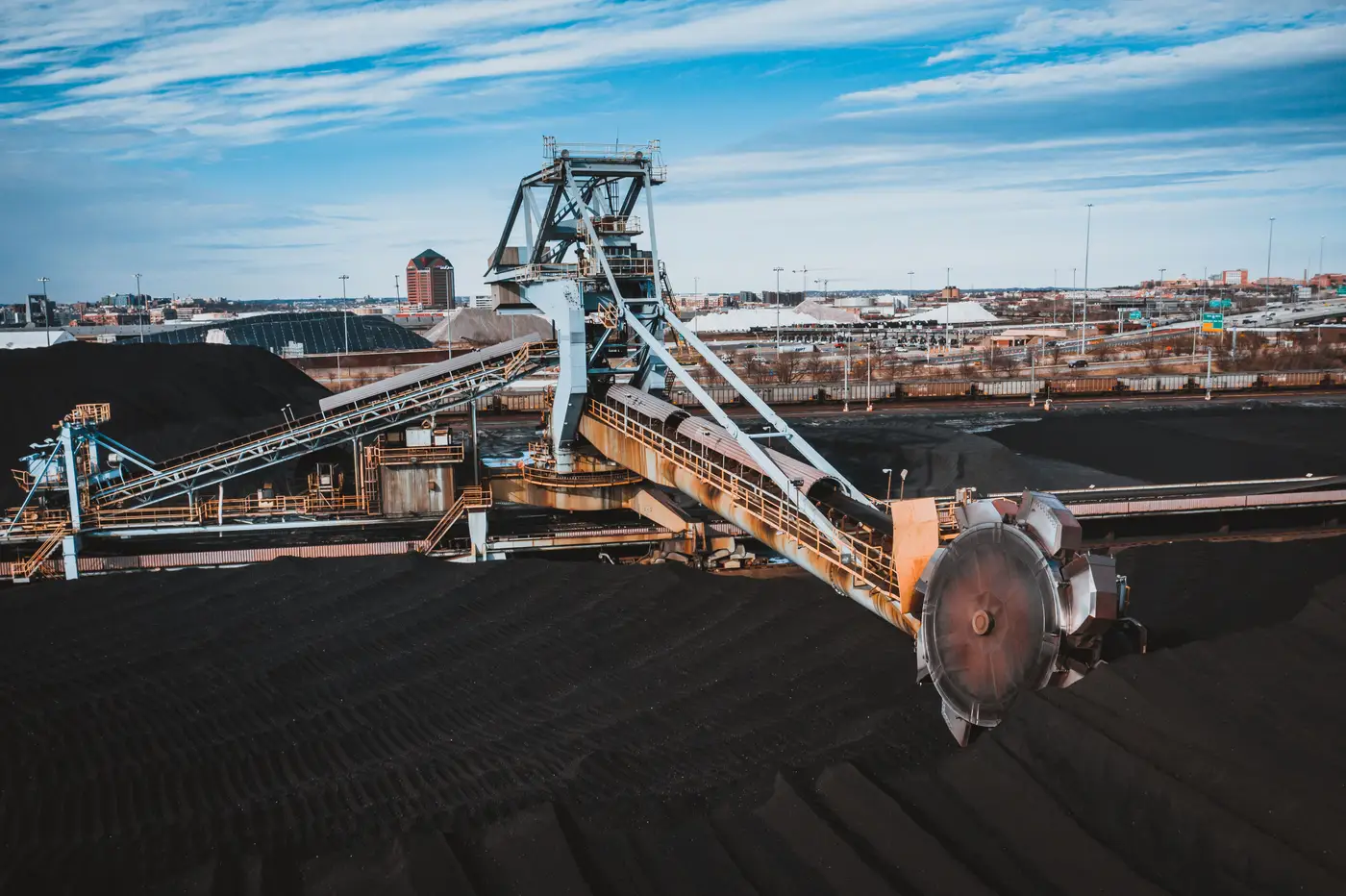
A force majeure notice usually arrives as a letter, not a conversation. Your supplier cites a labor strike, a port closure, a mine flood, something outside their control, and attaches a line or two about "unforeseeable supply constraints." What it almost never attaches is proof that their feedstock pile was running low before the event they're blaming.
That gap matters more than most procurement teams realize until they're sitting across from outside counsel asking, "what do we have to push back on this?"
What a force majeure notice claims versus what it proves
Most force majeure clauses require the invoking party to show the event made performance genuinely impossible, not just inconvenient or less profitable. A supplier claiming they couldn't deliver ore, coal, clinker, or logs because of a shortage needs to show two things: that the shortage happened, and that it happened for the reason they say it did.
A letter doesn't show either of those on its own. Neither does a phone call from their ops manager, however sincere it sounds. What you're looking for is a timeline: did the pile at their site actually start dropping before the cited event, in line with it, or only after they'd already missed a delivery window for unrelated reasons? Suppliers have been known to reach for force majeure language when the real issue is a bad contract they want out of, a better price elsewhere, or a logistics failure they'd rather not own. None of that is provable or disprovable from the notice itself.
The kind of evidence that holds up
Procurement teams that have fought these disputes before tend to come back with the same list:
- A dated, independent record of stockpile volume at the named site, not the supplier's own inventory report
- A pattern showing the drawdown started before, during, or after the alleged event, which tells you whether the timeline the supplier is claiming lines up with the record
- Corroborating third-party signals, like port congestion data, regional weather records, or regulatory filings, that back up the supplier's stated cause
The first two are the ones procurement teams usually don't have, because getting them has traditionally meant sending someone to the site or trusting the supplier to self-report. Self-reported numbers arrive late, arrive only when the supplier decides to send them, and arrive already shaped to support whatever story the supplier is telling. None of that makes them worthless, but none of it makes them evidence either. A court or an arbitrator weighing a force majeure claim wants to see the shortage, not just hear about it.
Why the self-reported stock update isn't enough on its own
Think about the incentive on the other side of that email. A supplier mid-negotiation on a new contract, or trying to walk away from a fixed price that's gone underwater, has every reason to describe their pile as depleted whether or not it is. That's simply how the incentives line up when a contract has gone bad for one side. Procurement's job is to have a record that doesn't depend on the other party's word.
This is where a running, dated log of pile volume at the supplier's actual site earns its keep: if the drawdown shows up in the record weeks before the supplier admits to a problem, you have your timeline. If it doesn't show up at all, that's useful too. Raw Material Stocks tracks ore, coal, log, clinker, and feedstock piles at a named supplier site on a weekly cadence, so a shortage shows up as a shrinking pile in the record instead of a story you're asked to take on faith.
None of this replaces your legal team's read on the actual contract language. A force majeure clause is only as good as what it says, and every jurisdiction treats "impossibility" differently. But counsel can't argue a timeline that doesn't exist yet. Building that record before you need it is the part procurement controls.
If a supplier's story about a shortage doesn't match what you can see for yourself, that's worth having in writing before the dispute starts.