What counts as consignment stock versus owned stock at a supplier's yard
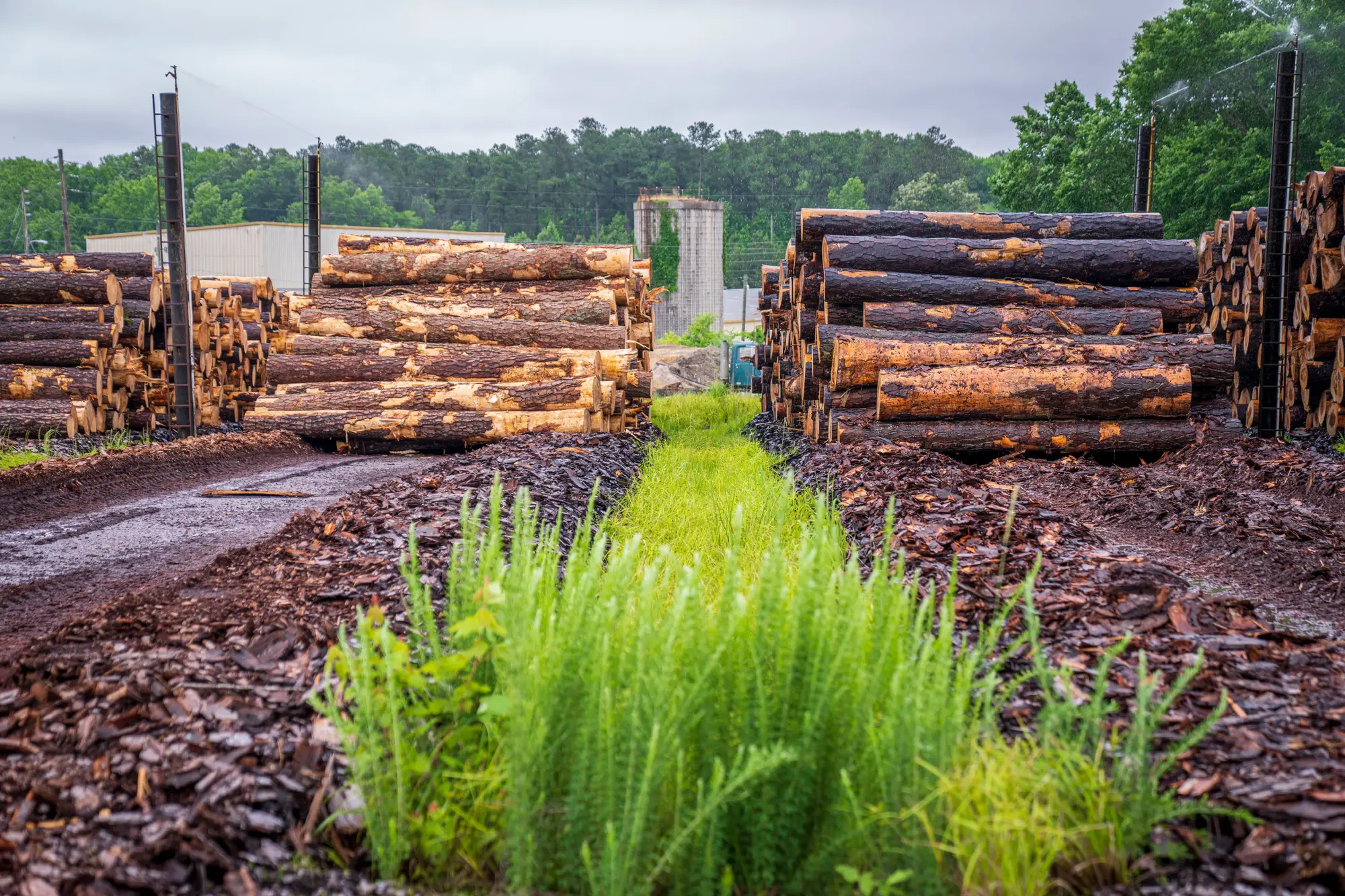
A pile of coal, ore, clinker or logs sitting at a supplier's yard doesn't wear a label telling you who owns it. From the road it's just tonnage under a tarp or open to the weather. But whether that tonnage is consigned to the supplier or fully owned by them changes who can draw it down, who carries the write-off risk, and what a buyer is looking at when they ask "how much do you have on hand."
Consignment stock definition, in plain terms
Consignment stock is material a supplier holds physically but doesn't own. Title stays with the consignor, usually the producer or a trading house, until the supplier pulls it for processing or sale. The supplier gets the convenience of having feedstock on site without tying up working capital in it. The consignor gets a forward position in a market without having to run a yard themselves.
This matters because consigned tonnage often sits in the same stockpile, next to the same loader, as material the supplier bought outright. Nobody paints a line down the middle of the pile. The accounting distinction is real. The physical pile doesn't show it.
Vendor owned inventory at the supplier yard
Vendor-owned inventory, from the supplier's side, is the stock they've purchased and carry on their own books. It's theirs to use, sell, or run down as they see fit, without a consignment agreement dictating draw terms or minimum balances. A supplier under financial pressure can liquidate owned stock fast. Consigned stock, by contrast, usually has to be drawn according to whatever schedule or minimum-balance clause sits in the consignment contract, and the supplier can't just sell it off to someone else.
So if you're a buyer trying to read a supplier's position from the outside, the ownership split tells you something about flexibility. A yard that's mostly owned stock can thin out fast if the supplier is short on cash or chasing a better price elsewhere. A yard that's mostly consigned stock behaves more like a buffer the supplier doesn't fully control.
Title transfer feedstock pile: where the line actually sits
Title typically transfers at one of a few fixed points, and the contract spells out which one applies: at delivery to the yard, at the moment the supplier draws the material for processing, or on a scheduled reconciliation date (monthly, quarterly) where whatever's been consumed gets invoiced and ownership resets. Until that trigger fires, the tonnage sits in limbo. Physically present, contractually not yet theirs.
This is where a lot of supply-chain confusion starts. A supplier can tell a buyer "we're well stocked" and be technically correct about total tonnage in the yard while most of it is consigned material they can't touch without triggering a draw-down clause and an invoice from someone else. Conversely a supplier can be sitting on plenty of owned material and simply not mention it because nobody's asked the right question.
Why this matters more than it sounds like it should
None of this changes what you need to know as a buyer: is the pile at your supplier's yard getting bigger or smaller. Ownership status explains why it's moving. It doesn't change the fact that it's moving. A shrinking pile is a shrinking pile whether the tonnage leaving was owned or consigned, and a supplier's own stock report, which tells you the ownership breakdown they want you to see, arrives on their schedule and in their framing either way.
That's the gap Raw Material Stocks is built to close: a weekly volume reading of the physical pile at a named site, independent of whose balance sheet the tonnage sits on and independent of when the supplier decides to call. The ownership question still matters for your contracts. The volume question is the one that tells you whether there's a problem before the supplier admits to one.
If you track a feedstock pile and want to see the drawdown before the phone call comes, that's the whole offer here.