What causes a stockpile to self-heat, and why height gets capped
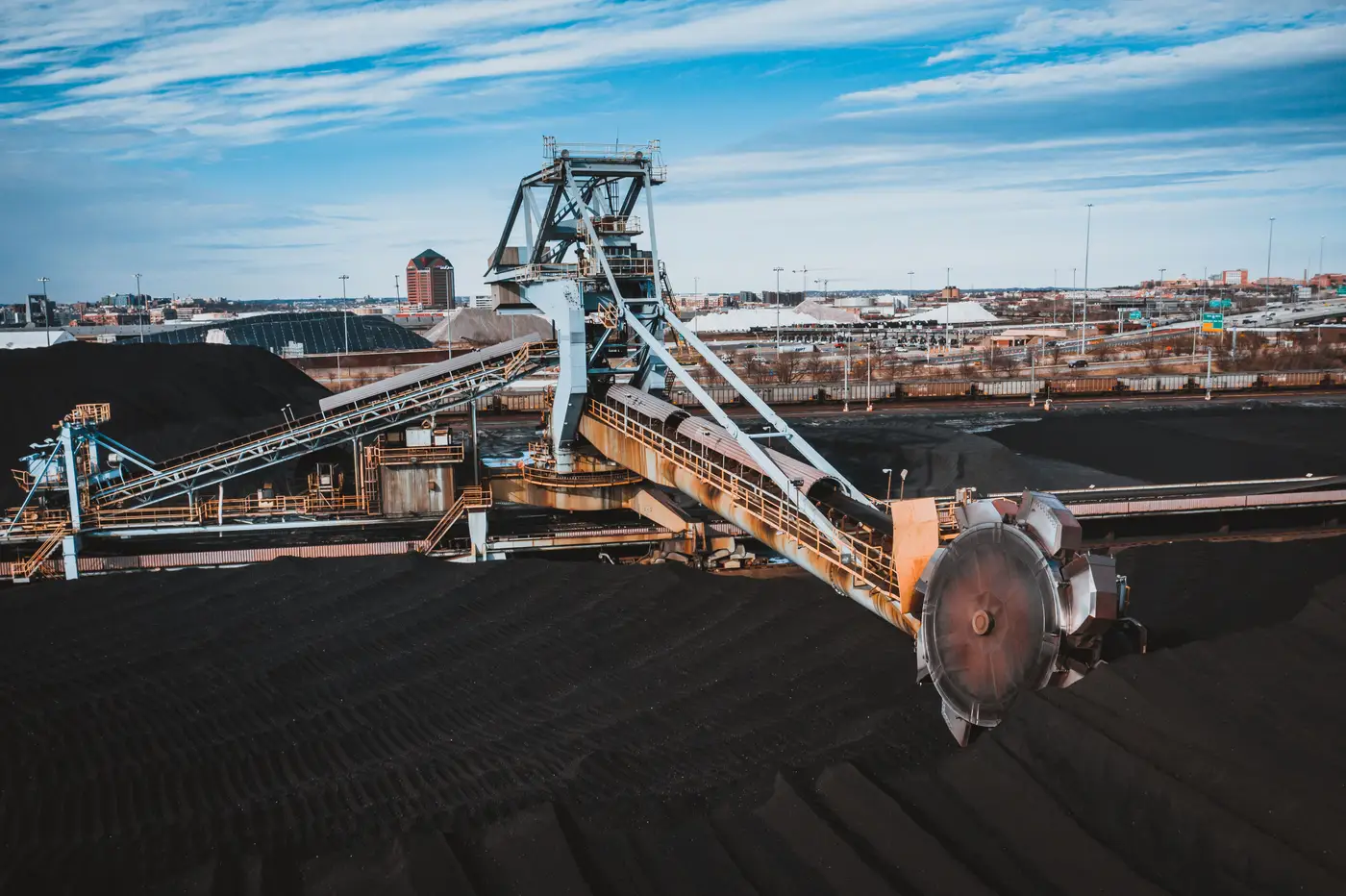
Coal, woodchips, bagasse, and some sulfide ores all do the same thing once they're piled up and left alone: they start cooking themselves. No spark, no external ignition source, just the material sitting there generating its own heat until, weeks later, someone notices a hot spot on a thermal scan or smoke curling off the crown of the pile.
What's actually happening inside the pile
Most stockpiled feedstock oxidizes slowly the moment it's exposed to air. Coal does it faster if the coal is low-rank or high in sulfur. Biomass does it because microbial activity in the damp interior generates its own heat before oxidation even takes over. Either way, the reaction releases heat, and in a loose, porous pile that heat has nowhere to go.
A thin layer of material sheds heat fine. Pile the same stuff forty feet deep and the surface area available to vent that heat shrinks relative to the volume holding it in. The core of a tall pile can sit insulated by everything around it, slowly climbing in temperature while the outside looks completely normal. Moisture content matters too: too dry and oxidation runs faster, too wet in the wrong way and you get the microbial heating that kicks the whole process off early. Fines matter as well. A pile with a lot of crushed, fine material packs tighter and traps air pockets that feed the reaction instead of starving it.
Compaction from loader traffic and the pile's own weight does the rest. The base of a tall pile is under real pressure, which reduces airflow exactly where the heat has the least chance of escaping. Get the mix of moisture, particle size, and depth wrong and you've built a slow-burning stockpile without anyone doing anything you'd call unsafe on a given day.
Why pile height gets capped
This is why stockyards don't just build up. Height limits on coal and biomass piles exist specifically because taller equals more insulated equals a longer path for trapped heat to find its way to the surface and dissipate before it reaches ignition temperature for that material. Insurance underwriters and fire codes both push on this. Beyond a certain height, a yard is also expected to compact and lift in controlled layers, monitor core temperatures with probes, and in some cases turn or recompact sections of the pile on a schedule, specifically to break up the hot pockets before they get established.
None of this is paperwork for its own sake. A pile that exceeds practical height limits without the compaction and monitoring work to go with it is sitting on real risk of a hidden hot zone, and a hot zone that goes unnoticed for long enough becomes a fire that shuts down a section of yard, sometimes for days, while it's dug out and cooled.
Why this matters if you're watching stock levels from outside
Here's the part that matters if you're trying to judge a supplier's stock position without walking the yard yourself: height limits mean a supplier can't just pile higher to hide a shrinking footprint, so the same volume often gets spread wider and flatter instead. A pile that looks about the same height on a drive-by or a single photo can still have lost a third of its tonnage if the footprint shrank and nobody mentioned it. Height alone tells you almost nothing about what's actually sitting on that pad.
That's the gap between eyeballing a stockpile and tracking it. Raw Material Stocks builds a running record of volume per named pile, week over week, so a shrinking footprint shows up as a number change in the record rather than something you'd have to catch on a site visit or take on faith from the supplier's own report.
If you've got a supplier whose feedstock position you'd rather verify than assume, that's the problem this is built to solve.