Planned shutdown or real shortage? Reading a supplier's shrinking pile
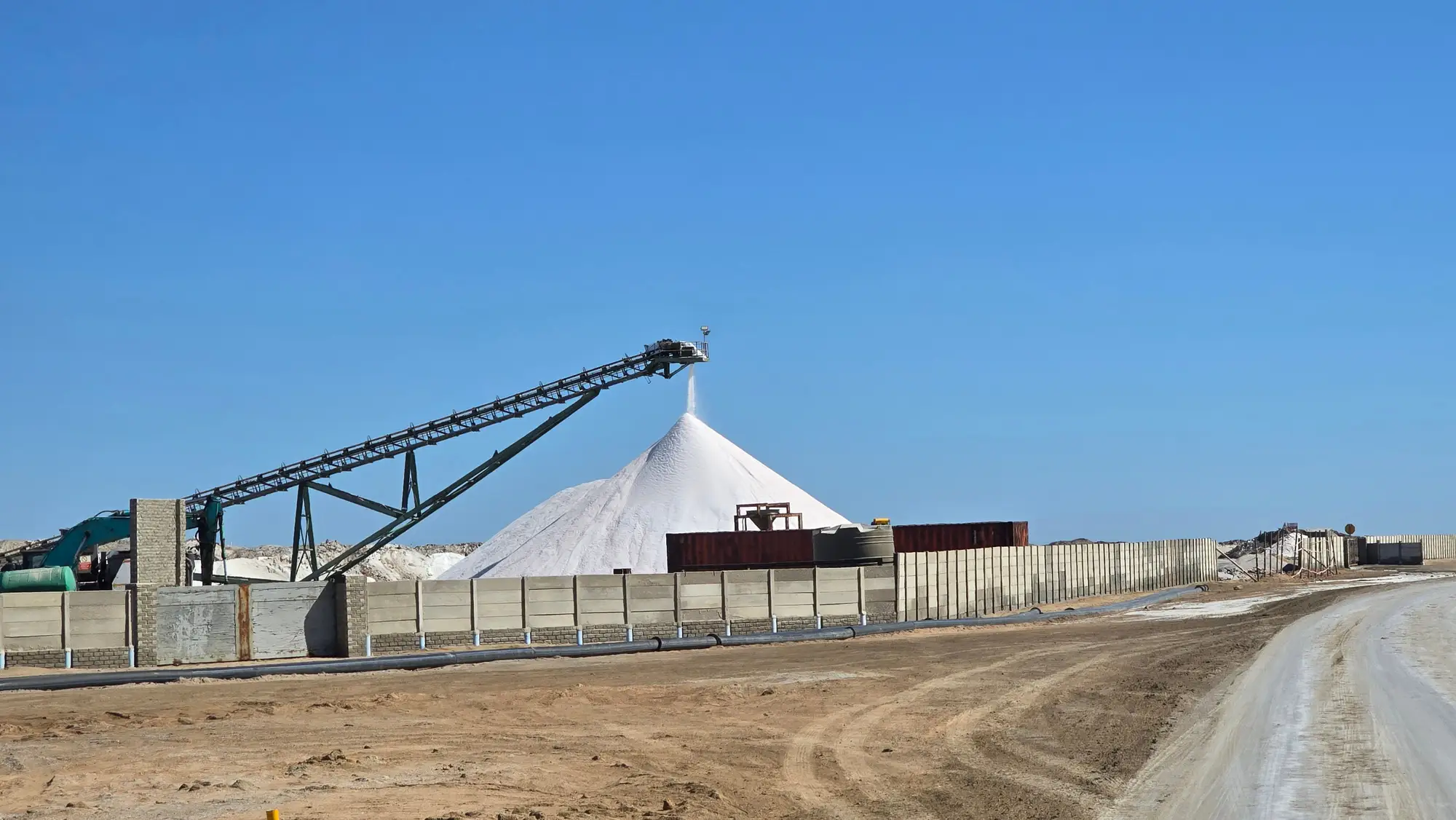
A pile draws down for a lot of reasons. A planned turnaround, a kiln reline, a conveyor swap, a scheduled inspection, any of these can pull a plant offline for a stretch, and the feedstock stockpile falls because nothing's moving through it. A real input shortage looks almost the same from a distance: the heap gets smaller week after week. The two situations matter very differently to anyone sourcing from that site, and a supplier rarely volunteers which one you're looking at until it's already affecting your delivery.
What a planned shutdown looks like in the pile record
Maintenance draw-downs tend to follow a shape you can recognize if you've watched a few of them. The pile falls steadily over a known window, often two to six weeks depending on the scope of the work, and then it starts rebuilding on roughly the same curve it fell on. Production resumes, inbound trucks or railcars pick back up, and the stockpile climbs back toward its working level within a month or two of the restart. If the supplier has given you a turnaround schedule at any point, even a loose one from a quarterly call, the timing lines up with what the pile is doing.
The other tell is that a maintenance draw-down is usually one input at a time. If a plant runs two or three feedstocks and only one pile is falling while the others sit flat, that's consistent with a specific unit being down, a crusher, a kiln, a specific line, rather than a site-wide problem getting its input.
What a real shortage looks like instead
A genuine supply problem doesn't follow the plant's own calendar. The pile keeps falling past the point where a maintenance window would normally close out, with no corresponding uptick in inbound deliveries. You'll also see it hit multiple piles at a supplier that handles several feedstocks, because a shortage usually traces back to a transport bottleneck, a mine-side problem, or a supplier upstream having trouble, not a single piece of equipment.
The rebuild pattern is the clearest signal of all. A maintenance pile comes back fast once the plant restarts, because the backlog of material that was waiting to be processed gets worked through quickly. A shortage pile stays flat or keeps eroding slowly, because there's nothing backed up to draw from. If week nine looks like week six and week six looks like week three, that's not a turnaround running long. That's a site that can't get material in.
Reading the pattern, not the single number
One week of data tells you almost nothing here. A single reading of "the pile is down 15%" could mean either story, and guessing wrong costs you either a panic order you didn't need or a late scramble when the real shortage finally forces the supplier to call. What separates the two is the shape of the drawdown across several weeks: the rate of decline, whether it matches a known maintenance window, and whether it's isolated to one input or spread across the site's whole stockyard.
This is the part that's hard to do from outside the fence. You can ask the supplier for a turnaround schedule, and some will give you one, but by the time a shortage is bad enough that they're explaining it to you, you've already lost the weeks you needed to line up a backup source. A standing weekly record of pile volume at the named site gives you that shape without waiting on the phone call. A weekly measurement of each pile, tracked over time, is what turns "the stockpile looks lower" into "this is week four of a draw-down that should have turned around by week three."
If you're sourcing from a site where a supply interruption would actually cost you, it's worth having that record running before the question comes up, not after.