Spotting feedstock grade substitution from pile color in satellite imagery
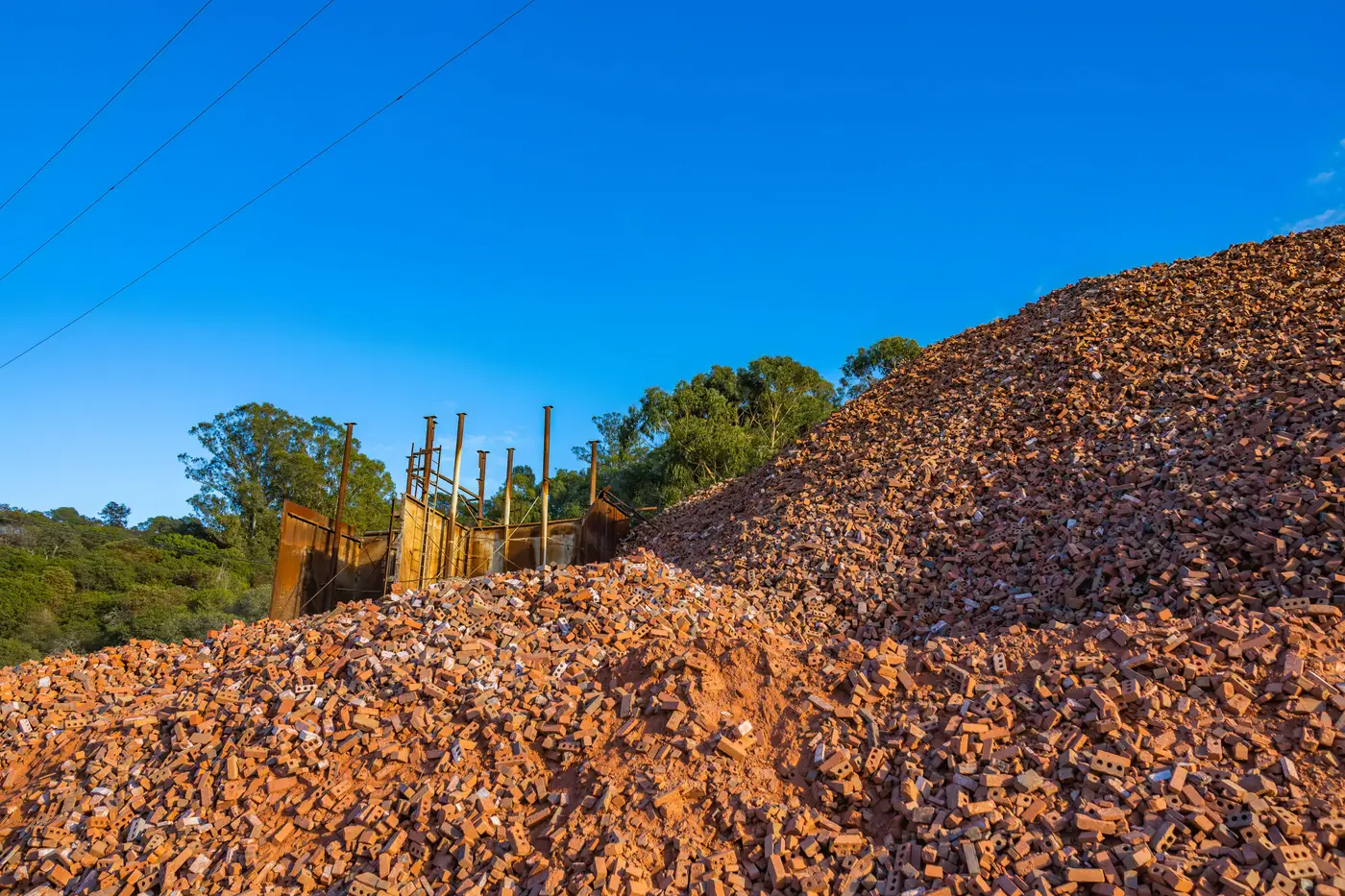
A buyer who has walked enough stockyards knows that a pile's color tells you almost as much as its height. Hematite fines run a darker rust-red than magnetite blend. Coking coal reads blacker and glossier than thermal coal. Clinker fresh off the kiln is a different gray than clinker that has sat through two wet seasons. When a supplier starts cutting a high-grade feed with something cheaper, the pile often shows it before the certificate of analysis does, because the new material sits on top or along one face in a different tone than the rest of the stack.
Satellite imagery at sub-meter resolution picks up that kind of tonal difference well enough to be worth watching. You can see a pile that used to be a fairly uniform rust-brown now carrying a lighter tan streak down one side, or a coal stack that has gone from matte black to a dustier gray-black after a delivery. That reading comes from color alone, with no lab assay behind it, which is exactly why it belongs on a procurement team's follow-up-call list rather than something you act on by itself.
What a color shift in the pile usually means
Most color changes on a feedstock pile come from one of four things: a new batch from a different source blended in, weathering and oxidation on material that has sat exposed longer than usual, moisture content changing how light reflects off the surface, or dust and handling residue building up on an unmoved section. Only the first one is a substitution problem. The other three are just the pile aging or getting rained on.
A reclaimer that works from one end of the stack will expose older, more weathered material as the newer top layer gets drawn down, and that older material reads lighter or duller in RGB even though the grade never changed. Conversely, a fresh delivery dumped on top of a depleted pile shows up as a sharply bordered patch of different tone, often with a different shape of the heap itself, since a new dump tends to form its own cone rather than blending smoothly into the existing slope.
Where the color read stops being enough
RGB imagery gives you a visual impression, not a composition. Sun angle, time of day, and even the season change how a pile photographs, so comparing a midday summer pass against a low-angle winter pass will show color differences that have nothing to do with the material underneath. A pile that looks suspiciously different from one week's image to the next deserves a second look at capture conditions before anyone calls the supplier.
Color also cannot tell you particle size, moisture percentage, ash content, or any of the numbers that define grade on a contract. What it gives you is a reason to ask a question earlier than you otherwise would. A buyer who sees a known hematite stock develop a visibly lighter band two weeks before a shipment is due has a specific thing to raise on the call, instead of a vague feeling that something's off.
Why the volume record matters more than the color on its own
The more reliable signal sits underneath the color question: how much is actually in the pile, and is that number moving the way it should. A supplier who is quietly substituting grade is often also running the pile down faster than the delivery schedule accounts for, because the cheaper feedstock doesn't stretch the same way in the furnace or kiln. That shows up as a steeper week-over-week drop in volume, which is a cleaner number to track than pixel tone and doesn't depend on sun angle.
Raw Material Stocks tracks exactly that: a named supplier's pile measured on a weekly pass, with the volume figure and the change from the week before sitting in the record rather than in a phone call you have to wait for. Pair that record with what you can see in the color, and a grade swap or a quiet supply squeeze stops being something your supplier gets to announce on their own timeline.
If a feedstock pile at one of your supplier sites is worth watching every week instead of waiting on their next report, that's the record to start keeping.