How many weeks of stockpile decline before you escalate?
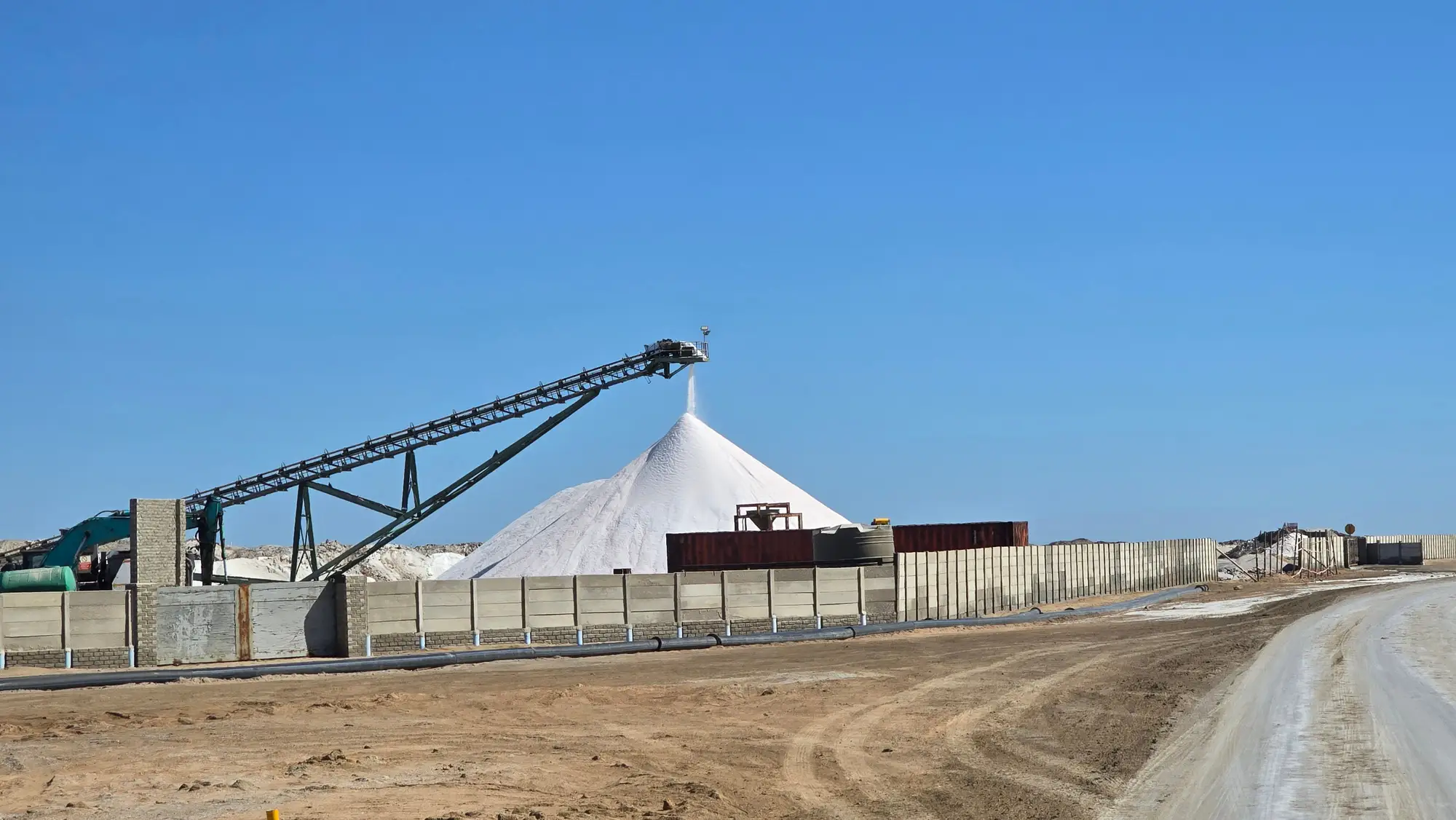
Every procurement team that's been burned once asks the same question afterward: how many weeks of a shrinking pile should you tolerate before you pick up the phone and push for answers? There's no fixed number that applies to every commodity or every supplier relationship. There is a way to reason through it instead of guessing.
One down week is noise, not a trend
Stockpiles move for reasons that have nothing to do with supply trouble. A yard draws down a pile to load a vessel, to feed a kiln run, to clear space before a delivery lands. If you're only checking volume once in a while, a single lower reading can look alarming when it's really just the normal rhythm of inbound and outbound material. Reacting to one data point as if it's a pattern is a mistake buyers make often, and it's a different mistake than escalating too late.
The direction over several consecutive readings is what matters, not any one week in isolation. If a pile drops and then rebuilds within a couple of weeks, that's turnover. If it drops and keeps dropping without a rebuild, that's drawdown.
What a real drawdown trend looks like
A genuine shortage signal has a shape to it. The pile loses volume week after week with no corresponding rebuild, the rate of loss doesn't level off, and there's no obvious operational reason (a known shutdown, a scheduled shipment, a maintenance window) that would explain the pattern. Most procurement teams who've tracked this closely land somewhere around three to four consecutive weeks of uninterrupted decline before they treat it as more than noise. That window is enough to rule out normal operational swing and confirm a real trend.
The exact count you pick should depend on how fast that supplier's pile normally cycles. A site that turns over its whole stockpile in two weeks under normal conditions is telling you something different with a four-week decline than a site that holds six months of buffer at all times. Know the baseline before you set the trigger.
Setting your own escalation threshold
Rather than waiting for a fixed number of weeks, write down a rule in advance and hold yourself to it. Something like: three consecutive weeks of decline with no rebuild, or a cumulative drop past a volume level you consider your floor for that supplier, whichever comes first. Put it in writing before you're staring at a shrinking pile and second-guessing yourself in the moment.
A written threshold works better than a gut call because it removes two failure modes buyers fall into on their own. Escalating purely on feel tends to mean jumping too early, burning goodwill with a supplier who was mid-cycle, or waiting too long because each individual week seemed small enough to shrug off on its own.
What to do once the pile crosses your line
Once the trend clears your threshold, call the supplier. Ask how much raw material is actually sitting on the ground right now, and ask when the next inbound shipment lands. Don't wait for their own stock report to prompt that call. A supplier's stock report arrives late and only when they choose to send it, usually after the shortage is already affecting your order. A weekly record of the pile's volume gives you several weeks of warning before that phone call turns into a crisis call.
If you'd rather see the pile's actual trend than wait on someone else's account of it, Raw Material Stocks tracks weekly volume and week-over-week change at a named supplier site, so you're reading the pile's own record instead of trusting when, or whether, they tell you it's running low.