Field notes: the week a supplier's pile grew right before they raised their price
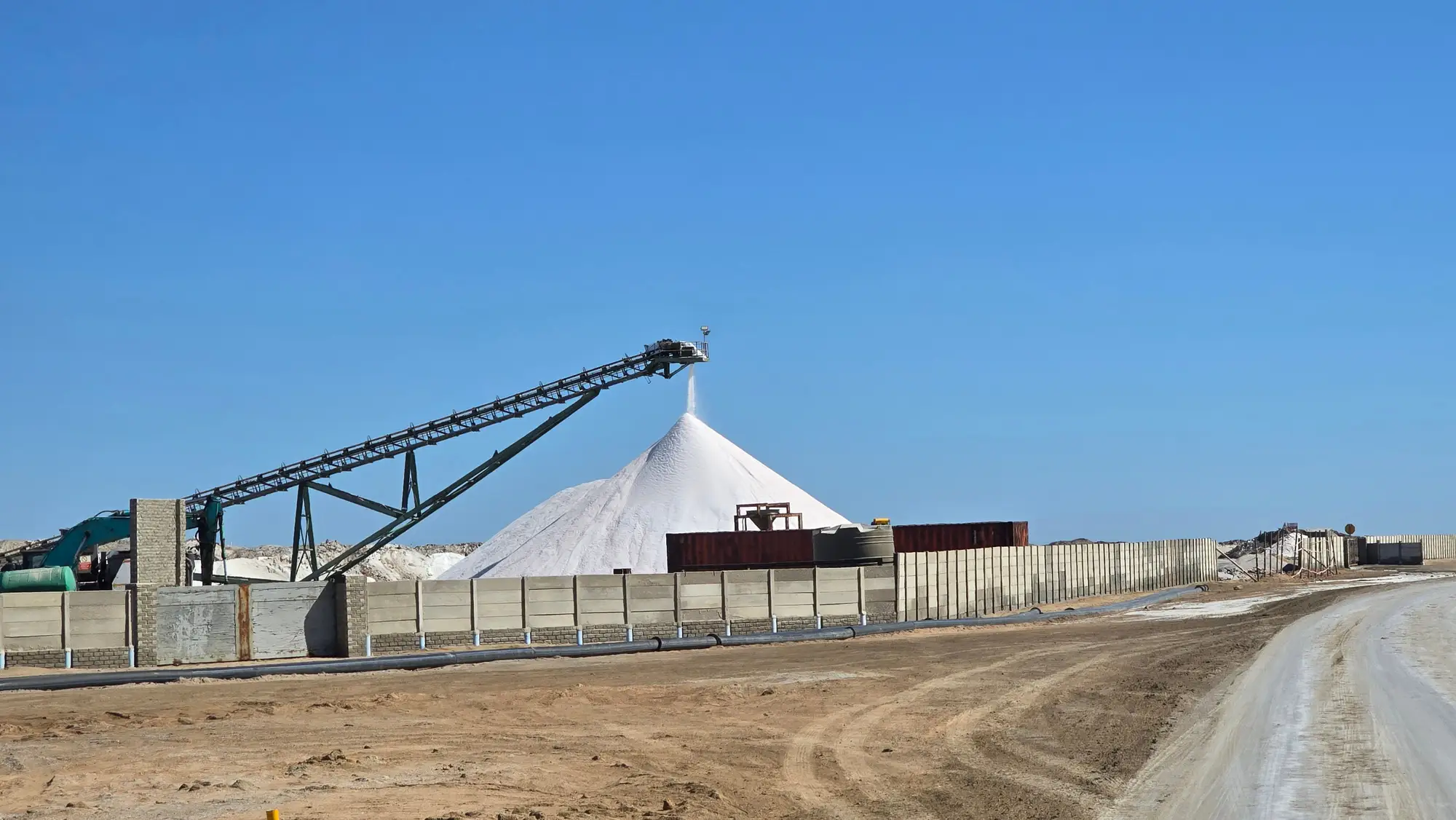
There's a particular kind of letter every buyer in this trade has gotten at least once. It opens with "due to continued tightness in the market," cites force majeure somewhere in paragraph two, and lands on a number that's 8 to 12 percent higher than last quarter's. You read it, you forward it to your boss, and you start making calls to see who else is selling.
But a few buyers who've been doing this a while have started doing something else first: pulling up what the supplier's yard looked like in the weeks before the letter arrived.
And in more than a few cases, the pile wasn't shrinking. It was growing.
This isn't a conspiracy theory. There are legitimate reasons a yard builds up right before a price move. A supplier anticipating a rail or barge disruption will stack ahead of schedule to protect their own commitments. A plant coming off a maintenance outage restocks faster than it ships.
Seasonal buyers overbuy in October before freeze-up closes the river. None of that is sinister. It's just operations.
What's worth a second look is the timing, not the buildup itself. A pile that's been climbing for three or four straight weeks, then a price letter citing scarcity the same month the pad is fuller than it's been all year. That's not proof of anything on its own. But it's a gap between the story and the yard, and that gap is exactly the kind of thing a stockpile record is good at catching.
The mechanics of why this happens are pretty ordinary once you think about them from the supplier's side. A price increase is easier to justify, and easier for a customer to swallow without pushback, if it arrives wrapped in "the market is tight right now." Nobody writes a letter that says "we're raising the price because we can." They write one that implies the alternative is worse. A pile sitting full in the yard undercuts that story in a way a phone call never will, because nobody on the supplier's side is volunteering a photo of their own stockpad next to the increase notice.
It also cuts the other direction, which is the more common version and worth saying plainly: a pile that's shrinking, week over week, ahead of a letter is the supplier telling the truth early, whether they mean to or not. That's useful information too. If the draw-down is real, you've got a running start on sourcing alternatives before the letter even arrives, instead of starting that search the day you read it.
Either way, the thing that makes the comparison possible is having a number for the pile before the letter shows up, not after. Once the increase notice is in your inbox, you're reacting to the supplier's version of events on their timeline. A weekly figure for the same pad, tracked regardless of whether anyone sends a letter at all, is the only way to check the story against the yard instead of against itself. That's the whole premise behind tracking supplier stockpiles on a fixed weekly schedule: the record exists before the shortage claim does, not in response to it.
None of this replaces a phone call to the supplier, or a hard look at freight and input costs that might genuinely justify a price move. Plenty of increases are completely legitimate and a full pad doesn't disprove a real cost pressure elsewhere in the supply chain. What it does is take away the supplier's ability to be the only source on what their own yard looked like last month.
If you've gotten one of those letters and wondered what the pad actually looked like the week before it landed, that's the gap Raw Material Stocks is built to close.