Covered stockpile vs open stockyard: which feedstocks actually need weather protection
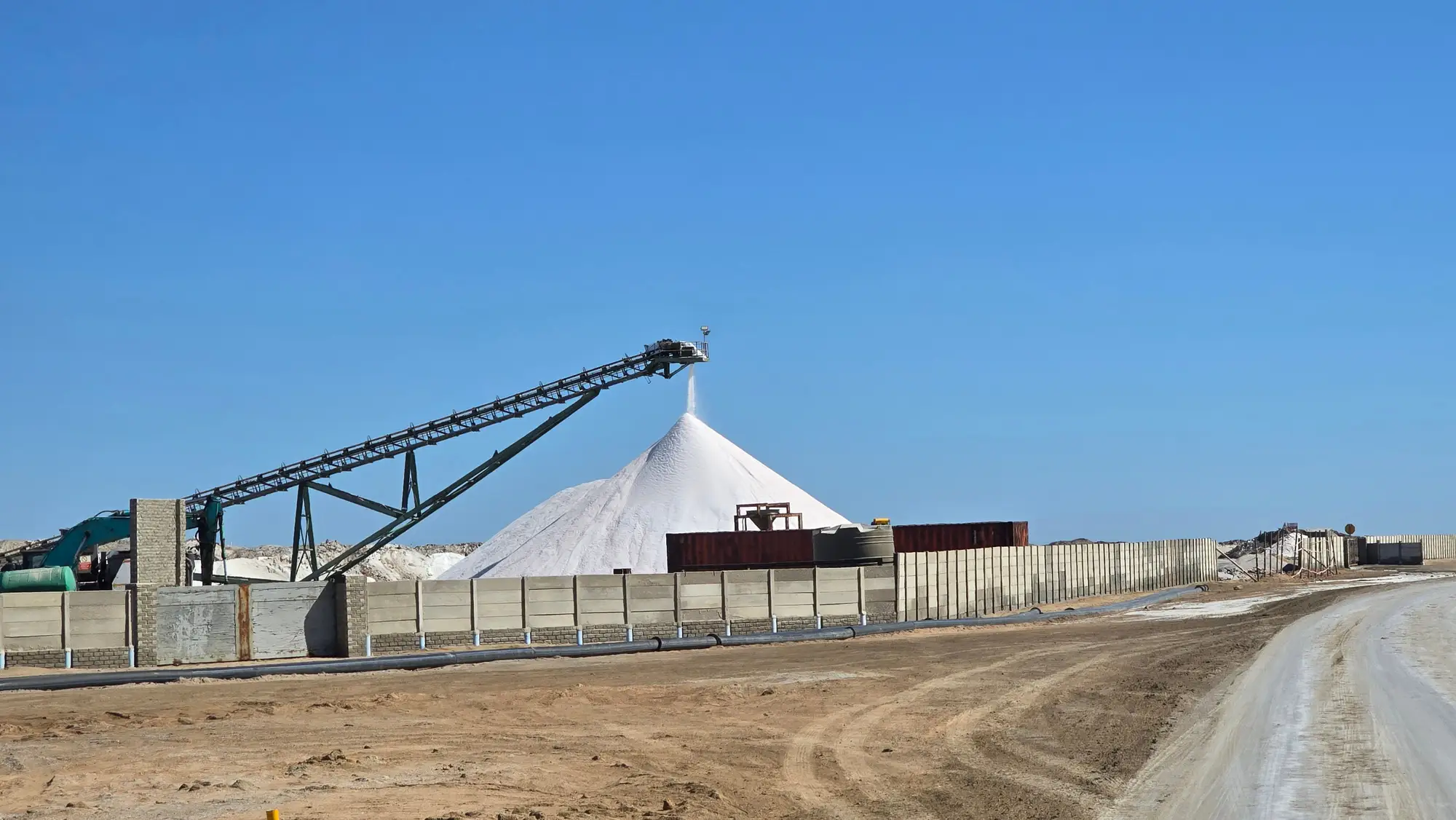
Walk any supplier yard and you'll see the same split. Iron ore and clinker sitting in the open, rained on for months, next to a shed where someone's keeping the fines bone dry under a roof. That split isn't random. It comes down to what happens to each material once water gets into it, and whether the supplier can afford the quality hit or the handling headache that follows.
If you're reading stockpile volume off weekly imagery, this matters for a second reason too: a soaked pile doesn't just sit there. It slumps, compacts, and changes shape without a single ton leaving the yard. Knowing which feedstocks move like that keeps you from reading a storm as a shortage.
Feedstocks that live fine in the open
Most bulk ores and coarse aggregates are stored open-air because the cost of covering them would dwarf any quality loss from rain.
- Iron ore and bauxite. Coarse lump and sinter feed shrug off rain. Some operations even use water sprays on purpose, to knock down dust during reclaim. The real risk is drainage: a pile sitting in standing water for weeks can slump and shift its footprint.
- Coal (run-of-mine and most steam coal). Open stockyards are standard. The real hazard with coal is the pile itself: wet coal compacted tight can heat from within and spontaneously combust, which is why yards turn piles and keep them under a certain height rather than tarping them.
- Clinker. Cement clinker is close to weatherproof on its own. A few hours of rain barely touches bulk density. Long-term open storage can let surface moisture creep in and cause minor hydration at the pile's skin, but suppliers mostly treat that as a surface problem, not a reason to build a shed.
- Crushed rock and most aggregates. Open stockyard is the default and nobody argues about it.
Feedstocks that need cover, and why
A smaller group of materials genuinely degrade, combust, or lose value fast once weather gets at them.
- Woodchips and biomass feedstock. These are the most weather-sensitive pile in most yards. Wet chips self-heat, mold, and lose calorific value within days, and a soaked pile can start fermenting before it ever reaches a boiler. Most biomass operations cover or tarp, and the ones that don't tend to burn through the pile fast to avoid losses.
- Coal fines and fine coal blends. Unlike lump coal, fines pack tight and hold water, which raises the combustion risk sharply. A lot of yards that leave lump coal open will still shed or tarp their fines stock.
- Logs destined for pulp or veneer. Counterintuitively, some log yards water their piles on purpose, sprinkler systems that keep bark wet to slow end-checking and stain. Others cover high-value veneer logs to stop surface staining and insect pressure. Either way, the pile's moisture is a managed condition, not an accident of weather.
- Powdered or granular feedstock (cement, some chemical inputs) where a wet surface crust changes handling at the reclaim conveyor, even if the bulk tonnage underneath is fine.
What this means when you're watching a pile from above
If a supplier's feedstock falls in that second group, weather should be part of how you read a volume change. A pile of woodchips that drops in apparent volume after a week of heavy rain might just be compacting, not shipping out. A coal fines pile that looks smaller could be a yard manager actively managing combustion risk, not running short.
For the open-air materials, ore, clinker, coarse coal, rain is mostly noise. A real drop in those piles week over week is closer to a real signal, because there's no weather-driven compaction masking it.
That distinction is exactly why a single phone call or a supplier's own stock report doesn't tell you much. Raw Material Stocks measures the pile itself, on a weekly cadence, so you can see whether a named supplier's stockpile is actually shrinking or just sitting wet after a storm.
If you're tracking a feedstock that's sensitive to weather, it's worth seeing what a few weeks of that record looks like before you take a supplier's word for it.