Clinker stockpile vs clinker silo: what the difference means for a cement buyer
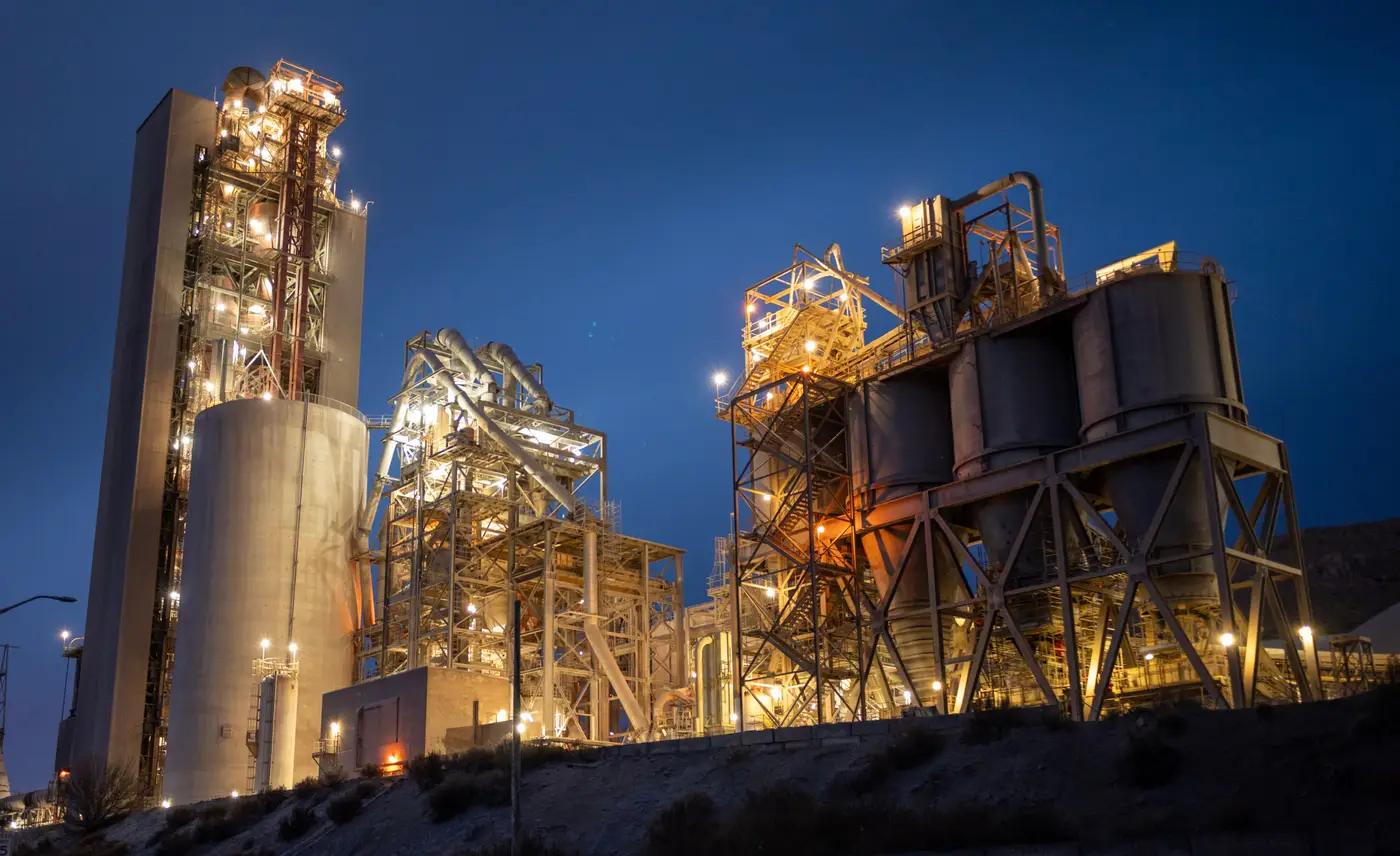
A supplier tells you they're carrying three weeks of clinker cover. Whether you can check that claim depends on how they're storing it. An open-air stockpile and an enclosed silo behave completely differently as feedstock buffers, and that difference shows up the day you need the number to be right.
Two ways clinker gets stored
Most integrated plants and import terminals split clinker storage between the two methods, often running both at once.
Open stockpiles are ground-level heaps, sometimes under a simple roof, sometimes fully exposed, built up by stacker and reclaimed by front-end loader or bucket-wheel reclaimer. They're cheap to build and easy to expand. A yard can add tonnage just by pushing the pile out or up. The tradeoff is dust control, rain intrusion on uncovered piles, and a footprint that eventually runs into the fence line.
Silos and domes are enclosed, usually concrete or steel, fed and drawn by conveyor or pneumatic transfer. Capacity is fixed the day it's built. You don't get more clinker cover out of a silo without pouring a new one. What you get instead is consistent material, no weather losses, and a storage volume that doesn't visibly change shape the way a pile does.
For a buyer, that second point is the whole story. A pile tells you something by its shape. A silo doesn't.
Why the storage method changes what you can verify
An open stockpile is a visible record of supply and demand at that site. When a plant is drawing clinker faster than it's replenishing, the pile gets shorter and narrower, and that change is there to see, week over week, from outside the fence. You don't need the supplier to tell you cover is tightening. The heap already told you.
A silo gives you none of that. The structure looks the same whether it's at 90% or 15%. Level sensors exist inside the plant, but that reading belongs to the supplier, and it reaches you only if and when they choose to send it. If a supplier reports cover off a silo, you're trusting their instrumentation and their timing, full stop.
This is the practical reason a lot of buyer-side risk tracking leans on stockpile volume rather than silo level. Open storage is measurable from the outside, which has nothing to do with which method stores clinker better and everything to do with which one a buyer can watch without the supplier's cooperation.
What this means for your cover estimate
If a supplier site runs mixed storage, split your mental model of their capacity accordingly. The silo tonnage is a black box unless they disclose it. The open-yard tonnage is a number you can build yourself from pile geometry, and you can keep rebuilding it on a schedule instead of waiting for a phone call.
That matters most in the gap between a supplier's quarterly stock report and whatever is happening at the yard this week. A clinker shortage at a cement works doesn't start with an email. It starts with the outdoor pile getting drawn down faster than it's rebuilt, weeks before anyone admits a shortfall. If the only storage you can see is the open stockpile, that's also the only early warning you're going to get from that site, so it's worth treating the pile measurement as the leading indicator it is rather than a rough stand-in for the real number locked inside the silo.
Some buyers ask suppliers to report silo levels alongside stockpile photos specifically to close this gap. Others just accept that silo cover is a trust exercise and put more weight on the visible yard. Either way, knowing which storage type you're looking at before you build a cover estimate off it keeps you from treating a static silo tonnage and a shrinking open pile as the same kind of signal.
A weekly volume read on a named supplier's outdoor clinker pile turns that visible storage into a running record instead of a guess, so the drawdown shows up in your data before the supplier has to admit anything.
If your feedstock buffer calculations depend on a yard you can't walk, it's worth putting that pile on a weekly watch instead.